

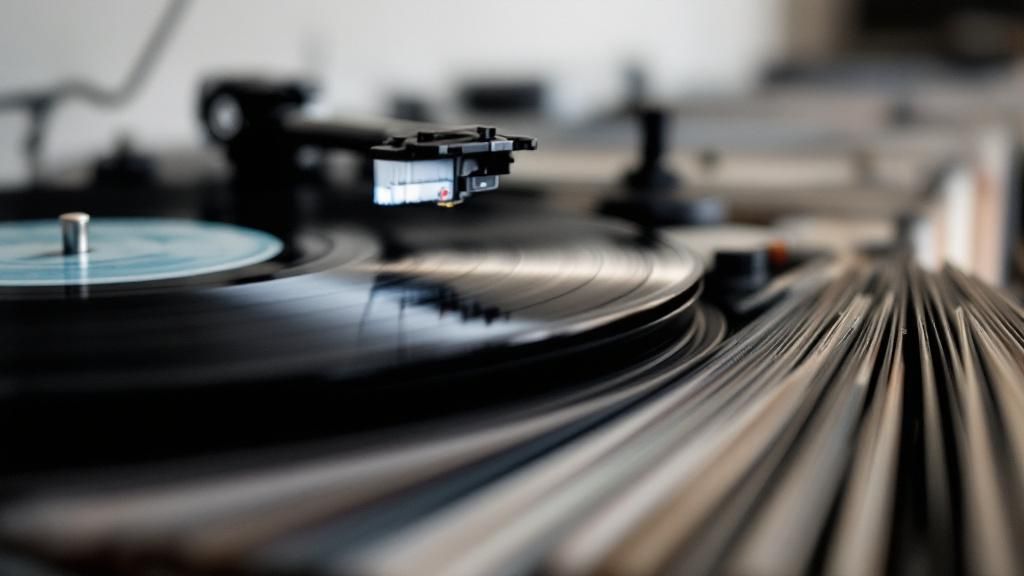
In an period dominated by streaming services and digital downloads, vinyl records have experienced a striking resurgence that few industry analysts predicted. From standalone record stores in London to dedicated enthusiasts across the globe, the analogue format is experiencing unprecedented revival amongst both experienced listeners and a fresh wave of music enthusiasts. This revival raises compelling questions about why listeners are embracing physical media, what propels the vinyl market’s surging demand, and whether this retro movement represents a fundamental change in how we engage with music.
The Revival of Vinyl
The resurgence of vinyl records represents a fascinating countermovement to the digital streaming dominance that has shaped the music industry throughout the past two decades. Record shops that once risked shutting down have reopened to thriving communities of enthusiasts, whilst new standalone vendors have established themselves across major cities worldwide. This unanticipated comeback has transformed vinyl from a niche hobby into a mainstream cultural phenomenon, with sales figures climbing steadily annually. The phenomenon goes beyond mere nostalgia, indicating a authentic transformation in listener attitudes towards music consumption and the value of tangible, physical media.
What makes this revival remarkably compelling is its resonance with audiences of all ages. Whilst veteran collectors rediscover their cherished albums, younger listeners are encountering vinyl as a fresh discovery, drawn by the ritualistic aspects of playing records and the superior sound quality that many passionate fans endorse. Record collecting has transformed into a shared experience, with communal listening sessions and vinyl gatherings engaging people from different backgrounds. This expansion of vinyl’s cultural reach has legitimised the format within current industry discussions, positioning it as a credible alternative to streaming platforms and disrupting conventional thinking about modern consumption habits.
Why Audiophiles Choose Analogue formats
Vinyl devotees argue that vinyl records create a sonic warmth that digital systems cannot replicate. The analogue signal preserved in vinyl grooves retains the entire range of audio frequencies, creating a more authentic audio experience. Many listeners note that vinyl playback provides exceptional clarity and depth, especially in jazz and orchestral recordings. This audio signature originates from the inherent properties of analog technology, which records continuous audio waves rather than discrete digital samples.
The mechanical process of vinyl playback produces delicate harmonic characteristics that audiophiles consider desirable. When a stylus follows vinyl grooves, it naturally produces tonal qualities that digital reproduction finds difficult to replicate. Furthermore, the absence of compression algorithms employed in digital audio preservation means vinyl preserves nuances that might otherwise be lost. This uncompressed fidelity appeals to discerning listeners who prioritise sound quality above convenience, making vinyl the preferred choice for serious listening experiences.
Beyond tonal characteristics, vinyl records demand conscious involvement from listeners. The ceremonial quality of picking out an album, setting the record onto a turntable, and positioning the stylus creates a conscious listening session. This intentional engagement contrasts sharply with passive consumption, encouraging greater musical understanding and connection with artists’ complete works.
Market Expansion and Economic Impact
The vinyl record market has exhibited remarkable economic expansion over the previous decade, with global sales volumes reaching record highs. Industry data indicate that vinyl sales have grown considerably year-on-year, generating billions of pounds in revenue worldwide. This economic resurgence has reinvigorated independent music shops, manufacturing facilities, and logistics infrastructure that had formerly experienced downturn. Major recording companies have reacted by committing heavily in vinyl manufacturing, recognising the medium’s commercial viability and cultural significance amongst modern audiences.
Beyond shop purchases, the vinyl renaissance has driven growth in ancillary markets covering turntables, amplifiers, and specialist audio equipment. Manufacturers of high-fidelity sound systems report growing interest as consumers purchase premium listening systems. This economic ecosystem has created employment opportunities across manufacturing, sales, and distribution industries. The resurgence proves that tangible formats remains economically sustainable, challenging earlier predictions of complete industry collapse and positioning vinyl as a significant contributor to the contemporary music industry’s overall economic landscape.
The Tomorrow of Vinyl Records
The trajectory of vinyl records appears quite optimistic as market analysts anticipate sustained increases throughout the coming decade. Industry experts anticipate that the resurgence will continue forward through increased investment in manufacturing infrastructure, better sound quality, and broader retail reach. Younger demographics continue embracing vinyl as a intentional alternative to digital saturation, whilst established collectors remain committed to expanding their collections. Record labels are responding enthusiastically, dedicating more funding towards vinyl releases alongside digital formats, demonstrating faith in the format’s enduring market potential.
Advances in technology and ecological awareness are poised to shape vinyl’s long-term direction significantly. Manufacturers are investigating sustainable production methods, employing recycled materials and eco-friendly packaging to appeal to ecologically conscious consumers. In parallel, advancements in turntable technology and audio equipment keep improving the auditory enjoyment, drawing in dedicated sound enthusiasts seeking exceptional audio fidelity. As digital listening fatigue persists and consumers place greater importance on tangible, collectible media, vinyl records appear positioned to remain a cornerstone of contemporary music culture for generations to come.
